One of the key elements of achieving high grass yields is to apply the correct amount of Nitrogen (N), from the right source at the right time. One of the major nutrients used by many farmers to increase grass yield is Nitrogen (N). Through studies conducted by...
We have now entered the prohibited period for application of chemical Nitrogen (N) and Phosphorus (P) since September 15th until January 12th for Zone A. Remember there are no restrictions on Potassium (K) application or timings over the closed period. Farmers have...
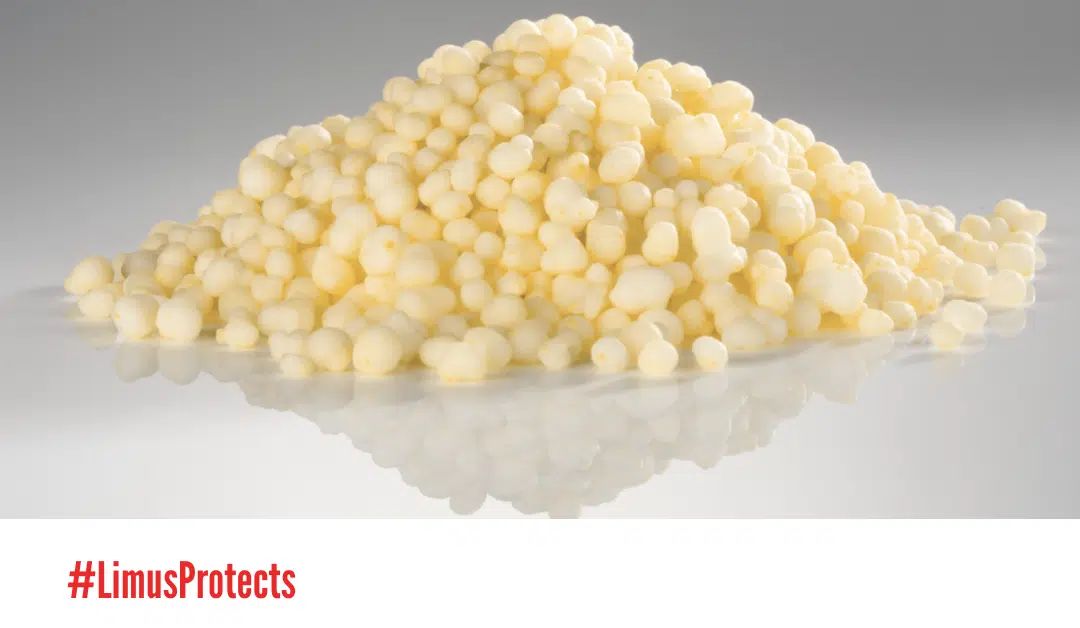
This year, more and more Irish farmers are following the advice of Teagasc and switching their nitrogen source from urea or calcium ammonium nitrate (CAN), to protected urea. Protected urea has been identified by Teagasc as a fundamental way to reduce emissions in...
Now is the optimum time to consider your second cut fertiliser application plan. It is important to ensure you have the right type and quantity of product available to guarantee a healthy yield and good quality grass. Nutrients required for 2nd Cut Silage (4 tonnes/ha...
As we navigate our way through the Coronavirus (COVID-19) pandemic, Target Fertilisers has put measures in place to safeguard our employees, customers, contractors, farmers and local communities. At Target Fertilisers we are still open for business with no disruption...
Although grass is the most dominant crop in Ireland, just 2% of our grassland is reseeded annually. As pastures get older, they on average produce up to 3 tonnes less dry matter (DM) per hectare per year. This is an economic cost to the farmer and this cost occurs...
This season to date, has been a challenging period for tillage farmers and as a result, only 50-60% of winter cereals have been sown nationally. Rainfall levels were twice what would normally fall in February, leaving little opportunity for farmers to sow crops and...
Grazed grass continues to be the most cost-effective form of animal feed available in Ireland and through maximising its yield and quality, profitability can be optimised. Farmers should aim to have stock grazing for a minimum of 280 days per year, however in order to...
2019 was an excellent year for grass production and similar conditions will be favourable for farmers in 2020. January is a key time for planning for early grass growth and Nitrogen (N) will be the driving force of production. The restriction dates under the Nitrate...
The closed period for the application of chemical Nitrogen (N) and Phosphorus (P) began on September 15th and will continue until January 12th for Zone A, which includes counties in the south and east of the country. There are no restrictions on Potassium (K)...
The closing period for the application of chemical fertilisers is 15th September 2019, as set out under the Nitrates Directive and remains enforced in the south east until 12th January. Farmers should make every effort to spread over the coming...
Grass growth is presently averaging 65kg/ha/day across the country and it is likely that winter fodder will be in plentiful supply, as many farms are currently harvesting second and third cuts. Baling surplus grass has resulted in a good build up of silage stocks with...





Recent Comments